Industrial data + Sim + Eval
infrastructure for physical AI.
Built for frontier robotics and VLA labs training models for industrial environments. We capture multimodal data inside real plants, synced with MES, historian, SCADA, and ERP. State and action pairs, trajectories, and the simulation and evaluation stack we are building for one vertical with design partners.
// THE DATA DESERT
Lab-trained robots need industrial reality.
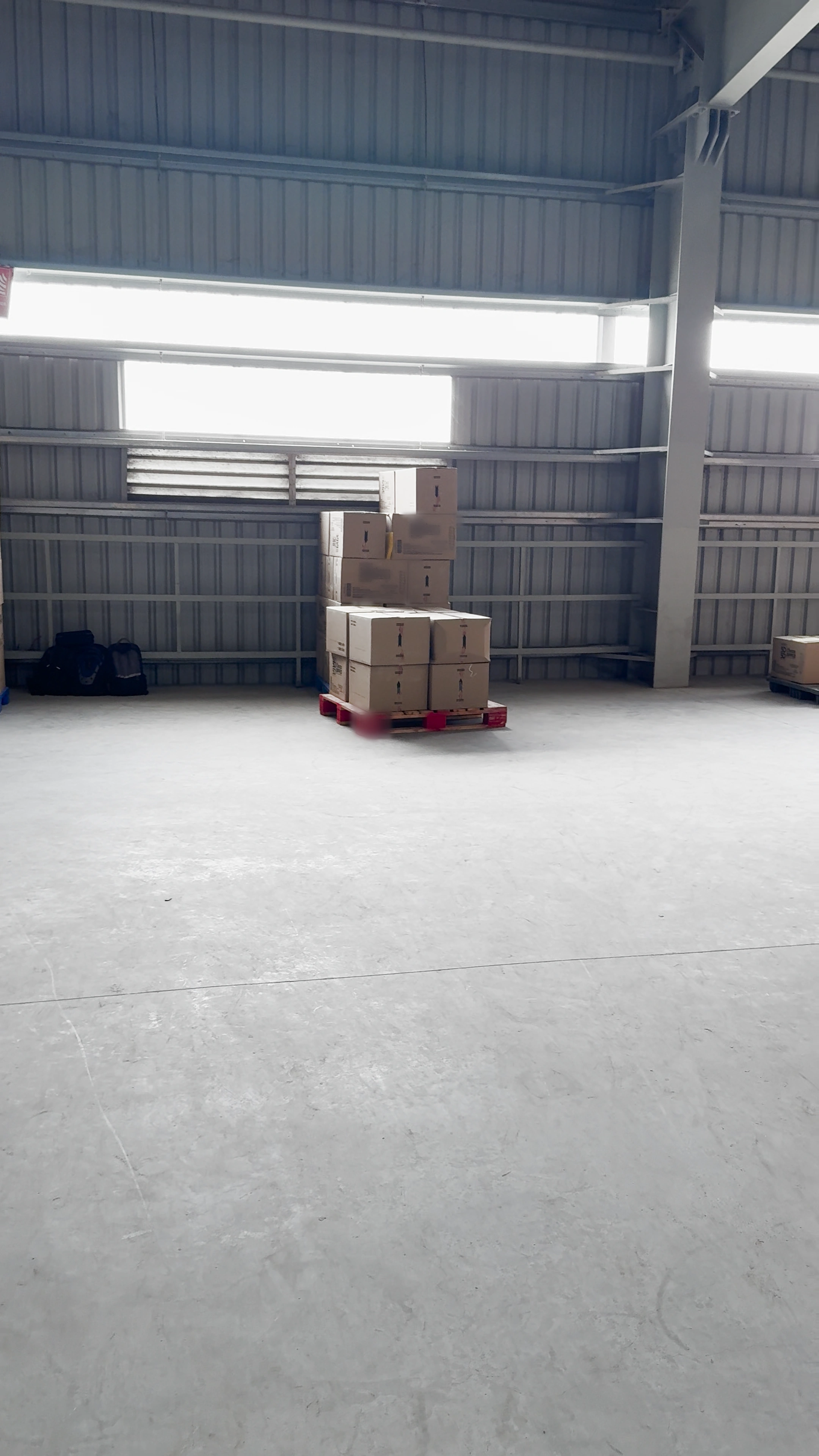
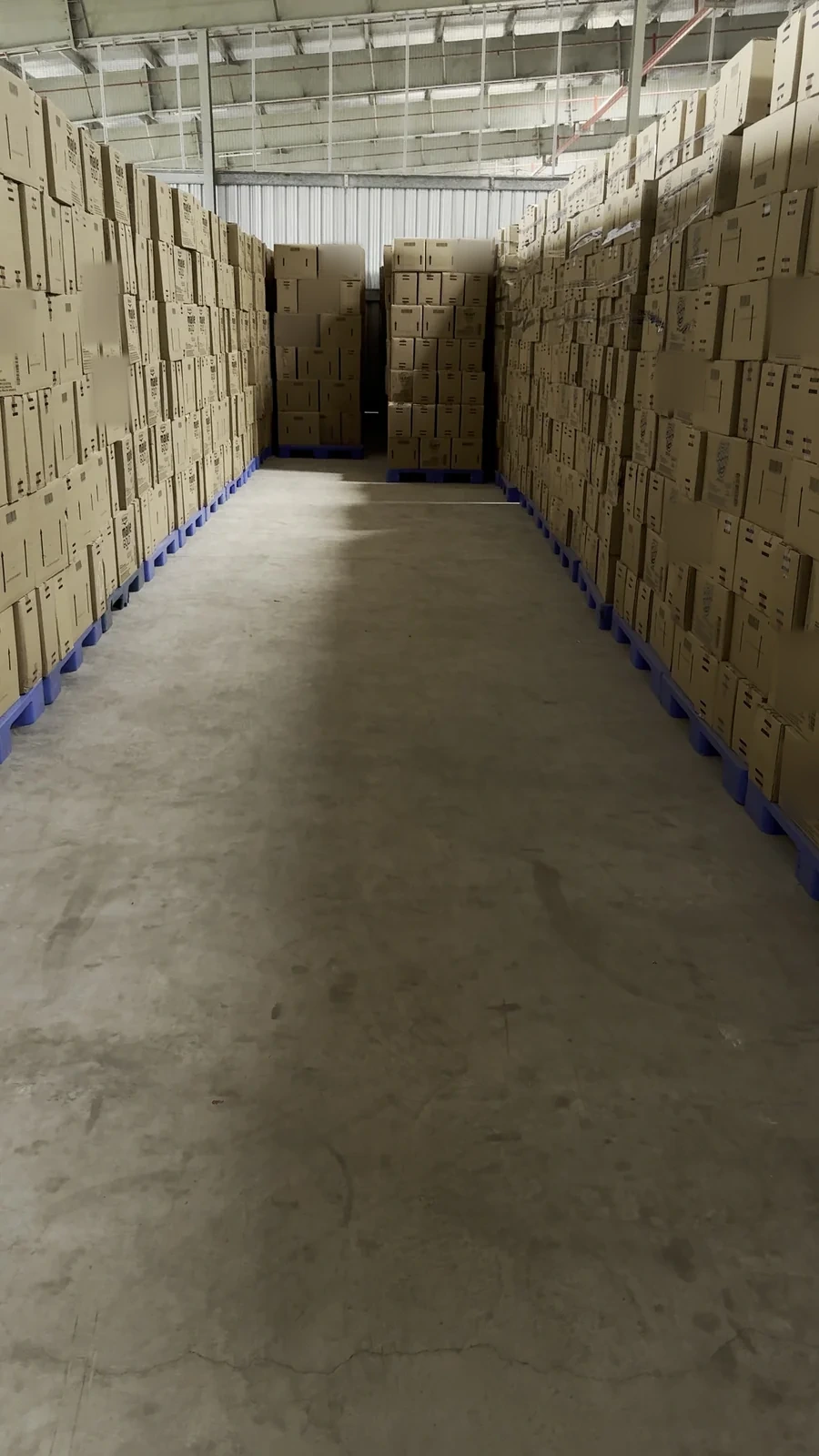
Robotics foundation model data still underrepresents industrial process work: valves, lines, gauges, cleanrooms, refineries, and production cells with live telemetry. That is the missing training frontier for physical AI infrastructure.
[HAZ] /---/
Hazardous Workflows
Chemical plants, refineries, fabrication yards, and heavy industrial sites require hazardous environment robotics data.
[REG] |key|
Regulated Access
Safety certifications, compliance controls, and facility trust determine whether data can be captured at all.
[SITE] X--X
Physical Inaccessibility
Industrial sites need embedded operators, safety controls, and operator demonstrations for VLA systems.
ERP |+|
Process Telemetry
Training signal comes from synchronized RGB and process data, PLC data robotics training, and facility metadata.
OK [==]
Domain Verification
State-action pairs dataset outputs and trajectory data for robotics are checked by process domain experts.
BOT ->>
Robot Transfer
The output is shaped for simulation and evaluation harnesses, training, and sim-to-real transfer industrial robotics pilots.
Process context included
Which valve, which chemical, which plant SOP data for robotics, and what MES, DCS, SCADA, historian, and ERP systems saw.
// ROADMAP
One company. Three layers. Same flywheel.
Trekion ships in three layers. The data layer is live. The simulation and evaluation stack is in active build with design partners across three verticals. Deployment partner pilots come from the verticals where the flywheel is already spinning.
Industrial data infrastructure
Multimodal capture in real plants, synced with MES, historian, SCADA, and ERP. State and action pairs, trajectories, scene and task descriptions. Robot-transferable formats. We capture the workflows lab-trained models cannot see.
- Multimodal sensor capture (synchronized RGB and supporting sensors)
- ERP, MES, historian, SCADA, DCS, PLC telemetry sync
- State-action pairs, trajectory data, dense action labels
- Robot-transferable delivery formats
Simulation and evaluation stack
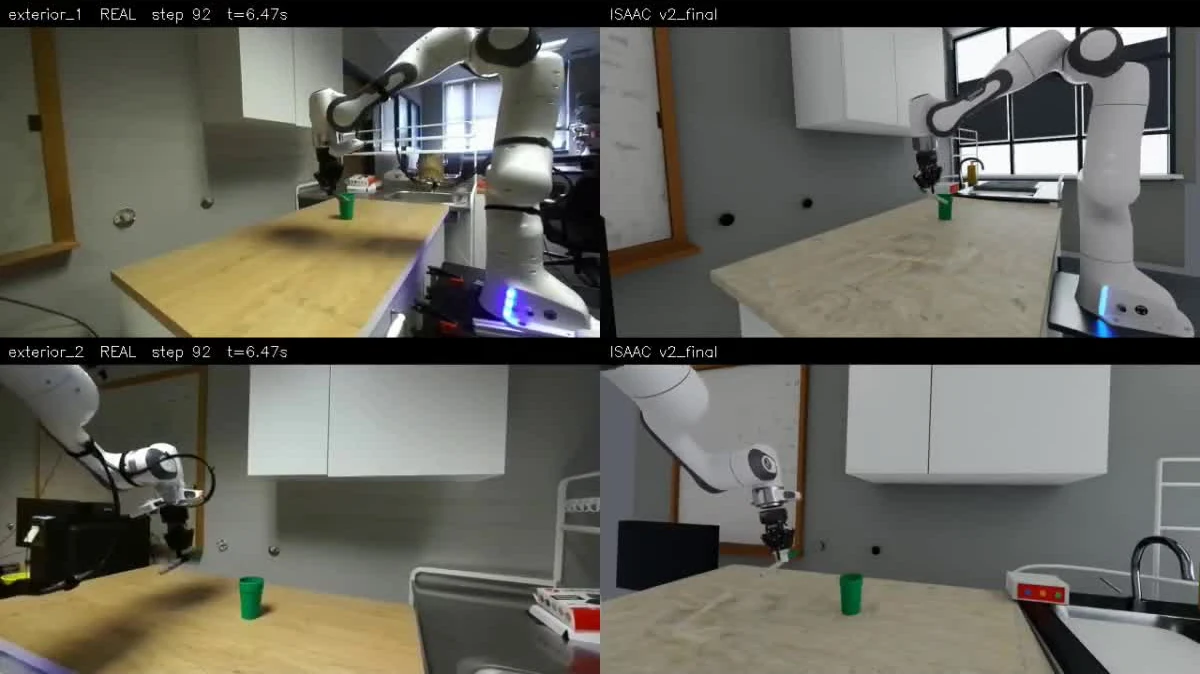
The moat. Whoever owns the simulator that matches the physics, layouts, and SOPs of a vertical, and the evaluation harness that measures policy performance against real operator benchmarks, owns the data flywheel for that vertical. Trekion is building this layer now with design partners. Three verticals are in active evaluation: discrete manufacturing, construction, and oil and gas. The vertical that pulls hardest gets the simulator and evaluation harness first.
- Vertical-specific simulator built on real plant geometries and physics
- Evaluation harness measuring policy performance vs. real operator runs
- Continuous benchmark from the same plant the policies will deploy in
- Vertical selection driven by pull, not preference
Deployment partner pilots
Real-world testing environments and facility access. Once the data and Sim + Eval flywheel is spinning in a vertical, Trekion becomes the deployment partner for the labs whose policies are validated against the harness.
- Plant access through existing industrial partnerships
- Safety certifications and compliance handled
- Real-world A/B between competing policies
- Path to commercial deployment in the vertical


// DATA SURFACE
Context signals, moving in formation.
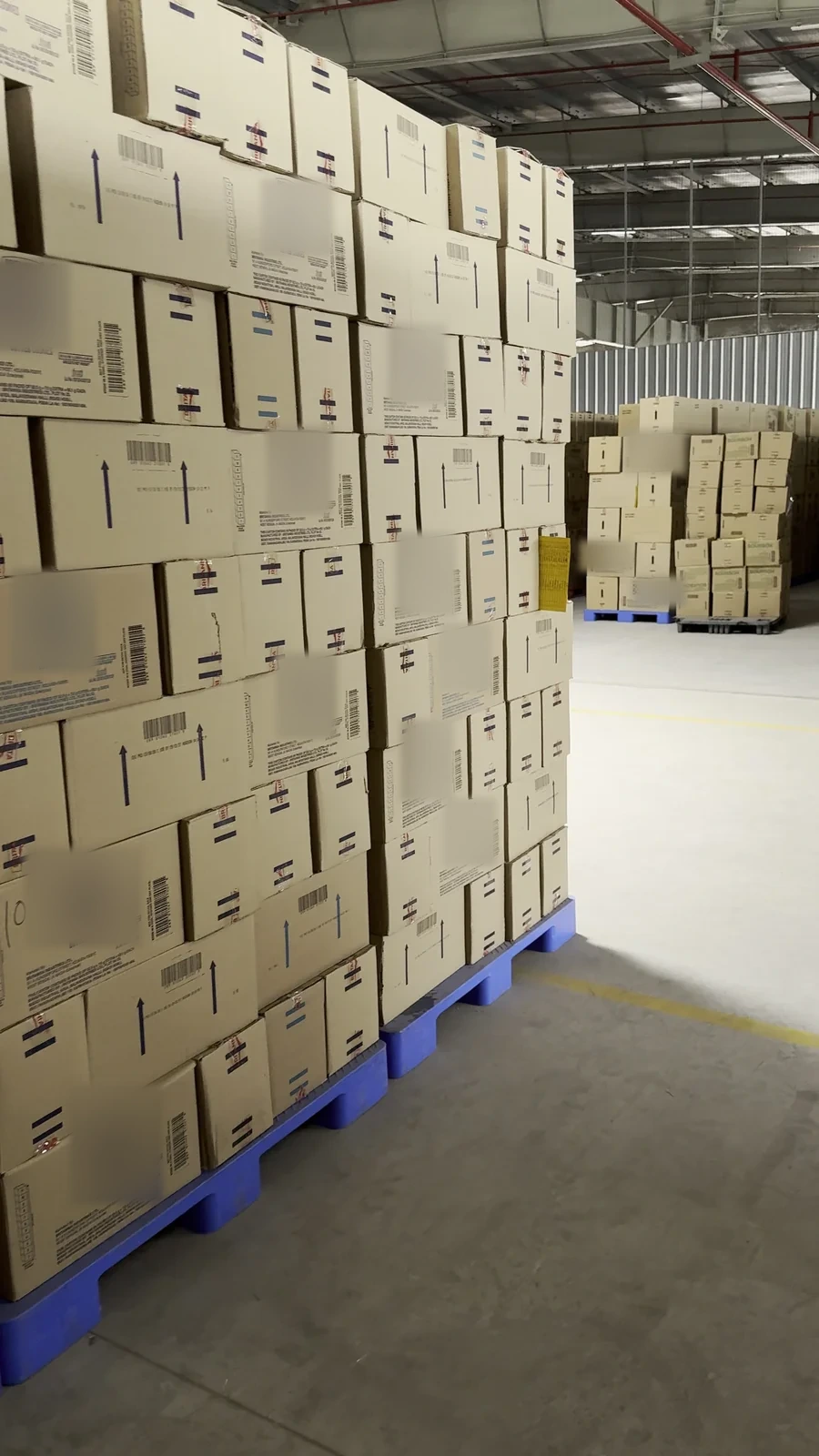
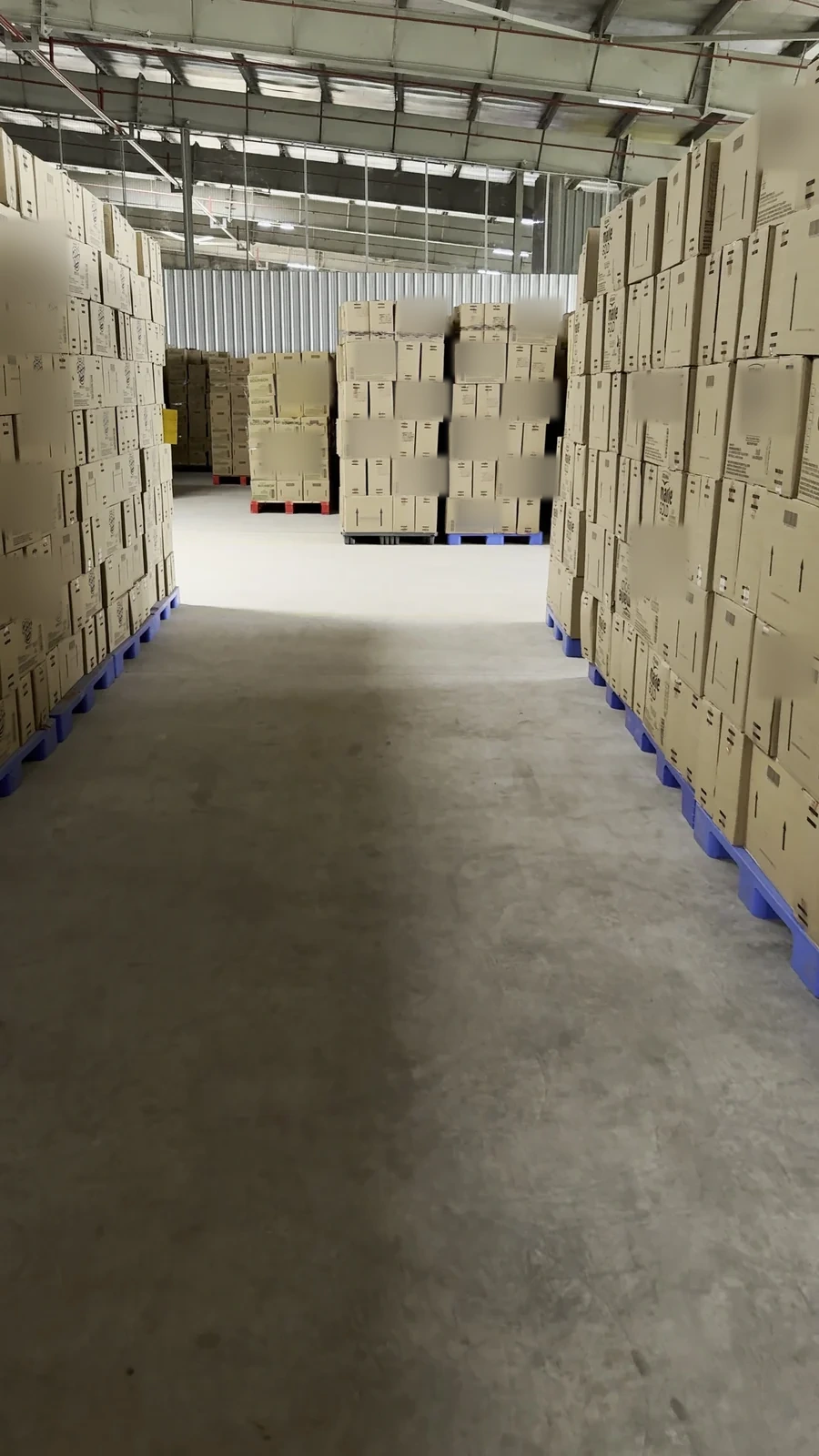
Image and video panels for VLA training data, telemetry, industrial process metadata, and process context moving through one industrial data surface.
// DATA STACK
Structured for training,
not just storage.
Every Trekion delivery includes multimodal capture, process metadata, and annotations in formats your training and simulation pipelines already use. Below is the canonical schema for a single delivered episode.
Multimodal capture
synchronized RGB + supporting sensors
Process context
MES, historian, SCADA, ERP, DCS, PLC tags
Annotations
state-action pairs, trajectories, dense action labels, 2D and 3D pose, object tracking
Delivery
robot-transferable formats, sim-ready
1{2 "episode_id": "trk-rfr-0048-2026-05-12",3 "facility_type": "oil_refinery",4 "vertical": "oil_and_gas",5 "workflow": "gas_detection_round",6 "sop_id": "API-RP-578-rev3",7 "duration_seconds": 412,8 "operators": 2,9 "modalities": ["rgb_left", "rgb_right", "depth", "audio"],10 "process_context": {11 "mes_link": true,12 "historian_link": true,13 "dcs_link": true,14 "tags_synced": 8415 },16 "annotations": {17 "state_action_pairs": 12380,18 "dense_action_labels": "verified",19 "pose_2d_3d": "hand_and_body",20 "object_tracking": "bbox_and_segmentation"21 },22 "delivery_format": "robot_transferable"23}sample frame: action labels overlay on real industrial workflow.
// schema preview, not an SDK. delivery format and field names finalized per engagement.
// HOW IT WORKS
From facility to
foundation model.
A pipeline that turns industrial workflows into robotics foundation model data, trajectory data, and simulation/evaluation infrastructure.
// WHERE WE OPERATE
Environments that matter most.
We focus on hazardous, regulated, and inspection-heavy environments where vertical robotics datasets are hardest to capture and easiest to misuse without process context.
Vertical-specific data, simulation, and evaluation.
Trekion builds construction robotics training data, discrete manufacturing robotics dataset coverage, oil and gas robotics inspection data, and refinery operations dataset for AI into one process-aware physical AI infrastructure layer. The vertical that pulls hardest gets the simulator and evaluation harness first.
Talk to Us// WHY TREKION
Access. Context. Sim + Eval. Three moats, one flywheel.
Industrial environments are hazardous, regulated, and physically inaccessible. Generic data pipelines do not reach them. We close the access gap, then the context gap, then build the simulator and evaluation harness that turns one vertical into a self-reinforcing data flywheel.
[ACCESS]
The Access Moat
100+ facilities. Not cold calls.
Existing relationships across chemical plants, oil refineries, and heavy industry. Safety certifications, regulatory compliance, and facility trust make hazardous environment robotics data possible.
[CONTEX]
The Context Moat
Operational context, not just pixels.
Every dataset is synced with facility ERP/MES systems, SCADA data for AI training, historian data for robotics, and real-time process telemetry.
[ SIM + EVAL]
The Sim + Eval Moat
Beyond data: the simulator and the harness.
Real data is table stakes. The moat is the vertical-specific simulator that matches a plant's physics, layouts, and SOPs, plus the evaluation harness that measures policy performance against real operator benchmarks. We are building this with design partners. Three verticals are in active evaluation: discrete manufacturing, construction, and oil and gas. Whoever owns the sim and the harness for a vertical owns the data flywheel for it.
// WORK WITH US
Data partner today.
Deployment partner tomorrow.
Start with a pilot robotics dataset for your target processes. Scale into continuous physical AI infrastructure as your models, simulation and evaluation harnesses, and target workflows improve.
// PICK YOUR PATH
One company. Three doors.
// LAB
Robotics + VLA labs
Training models for industrial deployment? See the data schema, request a sample episode, and tell us which vertical you are training for.
// OPERATOR
Industrial robotics + operators
Operating facilities where these robots will deploy? Partner with us as a data and pilot site, with safety, compliance, and procurement handled.
// INVESTOR
Investors + advisors
Following physical AI? Read the thesis, the roadmap, and the one-vertical bet. We are raising. We are also hiring.